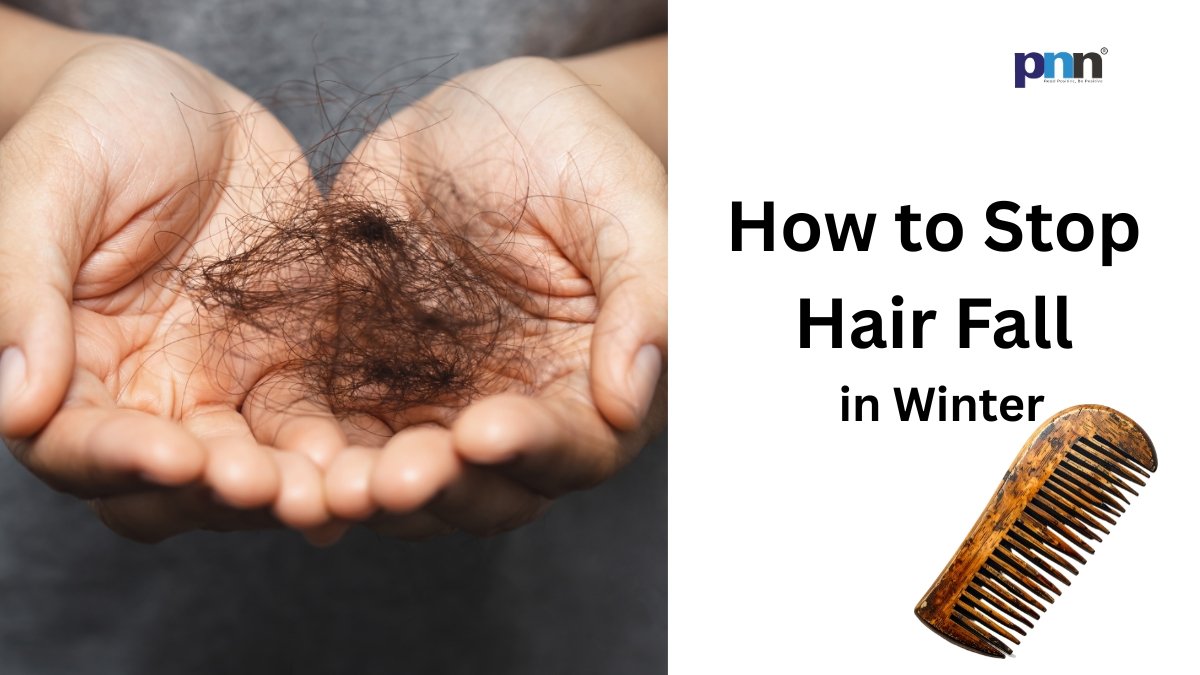
New Delhi [India], January 23: Winter hair fall isn’t mysterious. It’s not “seasonal shedding” in the poetic sense, and it’s definitely not your body “detoxing” or whatever Instagram decided this year. It’s dryness. It’s friction. It’s neglect dressed up as bad luck. That’s the reality, and it’s been the same for decades.
Cold air outside, overheated rooms inside. Zero humidity anywhere. Your scalp tightens up like cheap leather. Oil production drops. The skin barrier weakens. Hair follicles don’t enjoy living in a hostile climate, so they shed faster. Not dramatically. Just enough to scare you when the shower drain starts looking like a crime scene. And yeah, it always feels personal.
People love to blame shampoo first. Wrong instinct, usually. The bigger issue is how you’re washing. Hot water. Too frequent. Too aggressive. Winter scalps don’t want to be scrubbed into submission. They want to be left alone more than you think. Stripping away what little oil your scalp manages to produce in January is a fast track to irritation, flaking, and breakage that looks like hair fall but isn’t technically shedding. Semantics don’t help when it’s your hair on the floor, I know.
And then there’s friction, which no one wants to talk about because it’s boring. Scarves. Coats. High collars. Beanies are worn for eight hours straight because it’s freezing, and you’ve given up. Hair rubbing against wool all day doesn’t age gracefully. It snaps. It thins at the nape. You lose density exactly where you don’t want to. This isn’t biology, it’s physics.
Diet slips in winter. That’s not a moral failure, it’s just what happens. Less fresh food. More beige food. Fewer micronutrients, less protein, and iron intake are quietly dropping while no one’s paying attention. Hair is low priority tissue. The body doesn’t negotiate. If resources are limited, hair loses. Always has. Always will.
Hydration gets sloppy, too. You’re not thirsty. You’re cold. You forget. Scalp dries out further. Hair fibre loses flexibility. Breakage increases. Again, it’s not dramatic. It’s cumulative. Most hair problems are.
Stress doesn’t help, but not in the Instagram way. It’s not “relax, and your hair will grow.” That’s nonsense. Stress shifts hair cycles with a delay. By the time shedding shows up, the stressor’s already old news. So people panic, change ten products, and irritate their scalp even more. Classic.
Oils and masks can help, but only if you’re not using them like a ritual to feel productive. Light application. Infrequent. Scalp-focused, not hair-length worship. Overdoing it clogs follicles and causes inflammation, which defeats the purpose. This is where restraint matters, and most people don’t like hearing that.
Product hopping is another quiet problem. Switching shampoos every few weeks because “nothing’s working” keeps the scalp in a constant state of adjustment. Hair grows slowly. Painfully slowly. Anyone promising fast winter hair recovery is lying or selling something.
And look—sometimes winter just exposes underlying issues. Low ferritin. Thyroid imbalances. Chronic stress you’ve been pretending isn’t chronic. Winter doesn’t cause those problems; it just removes the buffer. If hair fall is sudden, aggressive, or paired with other symptoms, that’s not seasonal anything. That’s your cue to stop diagnosing yourself via late-night searches.
There’s no dramatic fix here. No comeback montage. Winter hair fall is managed, not conquered. Reduce damage. Maintain moisture. Eat like a functioning adult most of the time. Be less violent with your scalp. Stick to a routine long enough for biology to catch up.
That’s it. That’s the reality. It’s not inspiring, but it’s accurate.