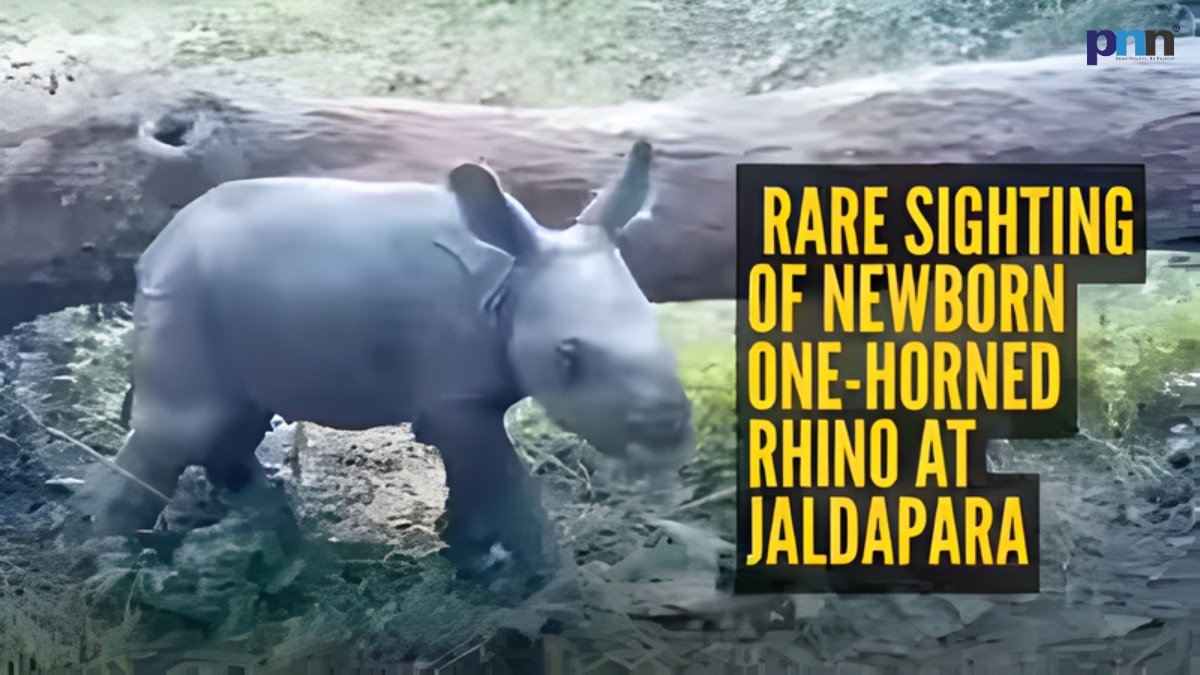
New Delhi [India], January 3: Jaldapara Rhino Calf – The 1 st of 2026 presented the wildlife lovers with a memory that they will be talking about decades to come. In the green forests of West Bengal in the Jaldapara National Park, a new baby one-horned rhino calf was born. To the conservationists in India, this small calf is not only cute, but it is an indication that all the decades of hard work to preserve the species is beginning to pay off.
Jaldapara Rhino Calf – uncommon Miracle in the Grasslands.
One-horned rhinos have always been found in the grasslands of Jaldapara, but it is not an easy occurrence to see newborn calves. It is a healthy calf, a vibrant one, which symbolizes a real success of the wildlife protection efforts in India. This has made these calves fight a chance to survive as the chances of poaching are lower, and the habitats are being protected.
The rhino population in India has been experiencing severe challenges in the last century, but with the efforts to manage the situation such as Project Rhino and the intensive forest management programs, the situation is changing. Jaldapara has become one of the most successful conservation centers in the country, which unites the modern monitoring methods with the knowledge of the field of practice.
Why This Calf Is More than What You Think.
This is not a fairy tale about animals. It represents the birth of a Jaldapara Rhino Calf, a sign of ecological stability and effective habitat restoration. The healthy populations of breeding animals are a symptom that forests are not only surviving, but they are flourishing. Another web of biodiversity is supported by a thriving Jaldapara: deer, elephants, leopards, and hundreds of bird species are dependent on the same ecosystem.
According to conservationists, each calf in the world today is a stronghold against extinction tomorrow. Every healthy calf enhances genetic diversity, boosts resilience in the population and enhances India’s position in preserving wildlife.
The Science of Success.
Jaldapara National Park is not gambling with the rhinos. Intense anti-poaching patrols, habitat control and veterinary surveillance are protocol. Calves are closely monitored and fed, cared for, and watched over to avoid predators.
The difference is brought by modern tech. GPS collars, drones, and data-based monitoring are used to predict risks, follow the movement, and efficiently protect the species. The calf is being monitored to ensure it adjusts well to its habitat without human interference.
Symbolism Beyond Numbers
Jaldapara Rhino Calf is not only ecologically important, but it also acts as a hopeful indication of the broader conservation story of India. Amidst the climate panic and dwindling biodiversity worldwide, this one-horned rhino serves as a triumph of success achieved with the help of devotion, investment, and community engagement.
It is an occasion that reminds the country that when humans set out to preserve nature, they will succeed. This calf is living evidence that wildlife recovery in India is not just talk, but is actually being put into practice.
Jaldapara Rhino Calf and her place in the India Conservation Map.
Jaldapara Rhino Calf, which is found along the foothills of the Himalayas, is not just a rhino sanctuary. It is an example of how local involvement, science, and national policy can overlap to produce a long-term effect. The ecosystem is being taken care of on several fronts, from the local forest rangers to the central government support.
Tourism is another attraction of every new calf. Tourists are now flooding in to see rhinos in their natural habitat, and this is earning an eco-conscious income that is pumped back into protection initiatives.
What to Expect: Future of the Rhinos of India.
Although this calf is small in size, it is a colossal stride in conservation. Things do not stop at birth; surveillance, security and habitat enlargement are necessary. The success of Jaldapara Rhino Calf in India is a precedent of other rhino reserves in Assam, Kaziranga and Manas National Park.
If this trend continues, researchers estimate that India would not only stabilise but also significantly increase the population of one-horned rhinos in the coming decade.
Summary: The Calf That Inspires.
By the year 2026, when India will celebrate its 50th anniversary, the Jaldapara rhino calf will be a reminder that important, long-term conservation efforts can succeed. It is an icon of strength, optimism and the visible outcomes of the prudent human cultivation of nature. It is evidence to both wildlife enthusiasts and policy makers that even endangered species can recover with a vision, commitment and action.
It is not a calf that is born, but a beat of the wildlife rejuvenation in India.
 Jaldapara National Park — Wildlife Wing, Directorate of Forests, Govt. of West Bengal
https://www.wildbengal.com/jaldapara-np.php
Jaldapara | Alipurduar District Official Site
https://alipurduar.gov.in/tourist-place/jaldapara/